-
Pulleys
-
Transmission Belts
-
Taper Bushes
-
Couplings
-
Industrial Gears
-
Sprockets & Chains
-
Custom Transmission Components

 English

Precautions for Installing Cast Iron Platforms and Stiffener Design
Precautions for Installing Welding Platforms
- When installing the welding platform, place the supporting brackets at the main support points. The supports shall ensure the working surface of the platform is adjusted to a horizontal level. After adjustment, the platform can be used for testing and commissioning by operators.
- When using the platform, place mechanical parts gently to avoid violent collision between parts and the platform. If the platform surface is impacted and dented or bulged by collision, repair the defective area before reuse.
- Keep the platform surface clean during marking. Clean the surface promptly after use to remove debris, sand grains and other impurities left by mechanical parts. Such iron impurities may trigger corrosion of the cast iron surface in humid air. Even in dry conditions, they may scratch the platform surface and reduce its precision, so timely cleaning is required.
- Distribute loads evenly on the platform during use to avoid local wear caused by overloading certain areas.
- Do not install mechanical components on the platform, and do not strike the platform with hammers, pliers or other tools.
- Wipe the marking platform clean after use. Apply anti-rust oil on its surface if it will be idle for a long time to prevent rusting.
- Handle the platform carefully. Rough handling is strictly prohibited.
- Store the marking platform in a dry and ventilated warehouse. Do not use or store it in cold, humid, corrosive environments or places with extreme temperatures. No water droplets are allowed on the surface of the welding platform.
- Do not stack platforms, as extrusion from stacking will cause deformation.
II. Stiffener Design for Cast Iron Surface Plates
Stiffeners fitted on inspection plates improve the structural strength of cast iron plates, prevent cracking caused by excessive internal stress, and enhance resistance to thermal expansion and contraction. Even if cracks occur, they can be repaired by welding for repeated use. Stiffeners boost the load capacity of inspection and marking plates, reduce deformation under heavy loads, and greatly extend the service life of cast iron plates.
Stiffeners are indispensable components for cast iron plates. Similar to I-beams, stiffeners increase the rigidity and strength of inspection plates without significantly enlarging the cross-sectional area. They are generally designed on the bottom non-working surface of the plate, extending along the direction of maximum stress and deflection. The layout of stiffeners also needs to take manufacturing factors into consideration. The length of stiffeners is consistent with the plate length, with both ends connected to the outer edge of the plate or running through the full length of the plate. For internal stiffeners of cast iron plates, the normal spacing is 500 mm; smaller plates can adopt customized spacing according to actual conditions.
Cast iron plates are essential tools in mechanical processing. High-quality cast iron plates are indispensable to guarantee qualified products for the machinery industry.
related products
-
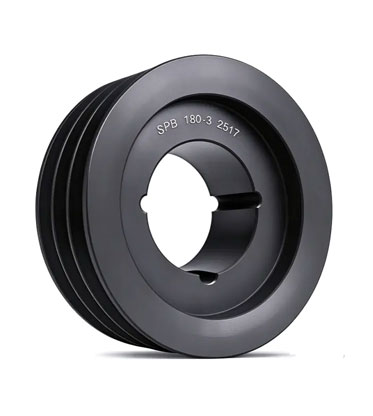
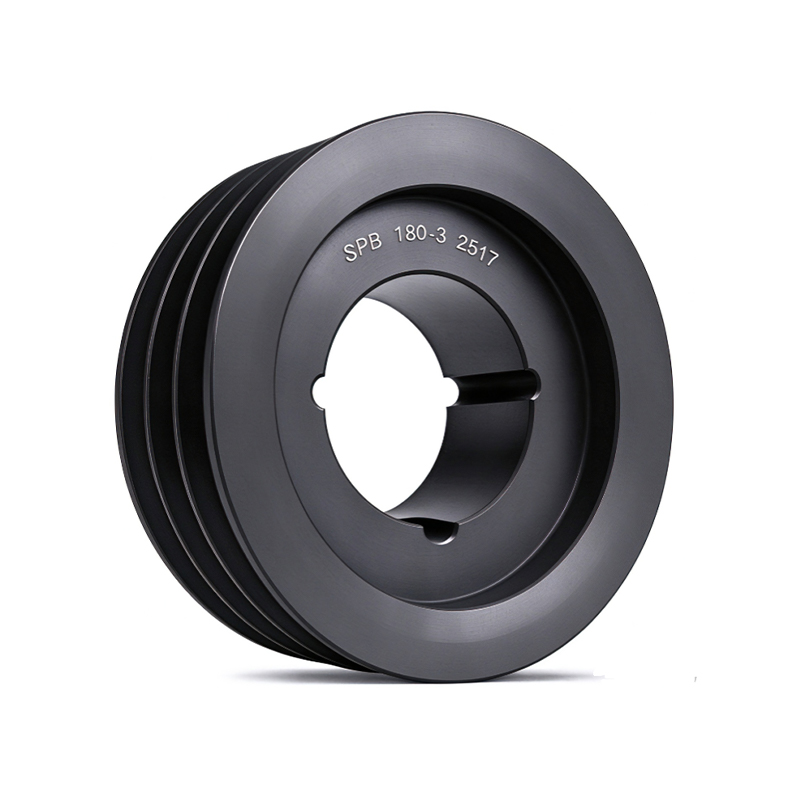 European Standard SPB180 3-Groove Wide-Section Heavy-Duty V-Belt Pulley, for Mining Crushers and Vibrating Screens
-
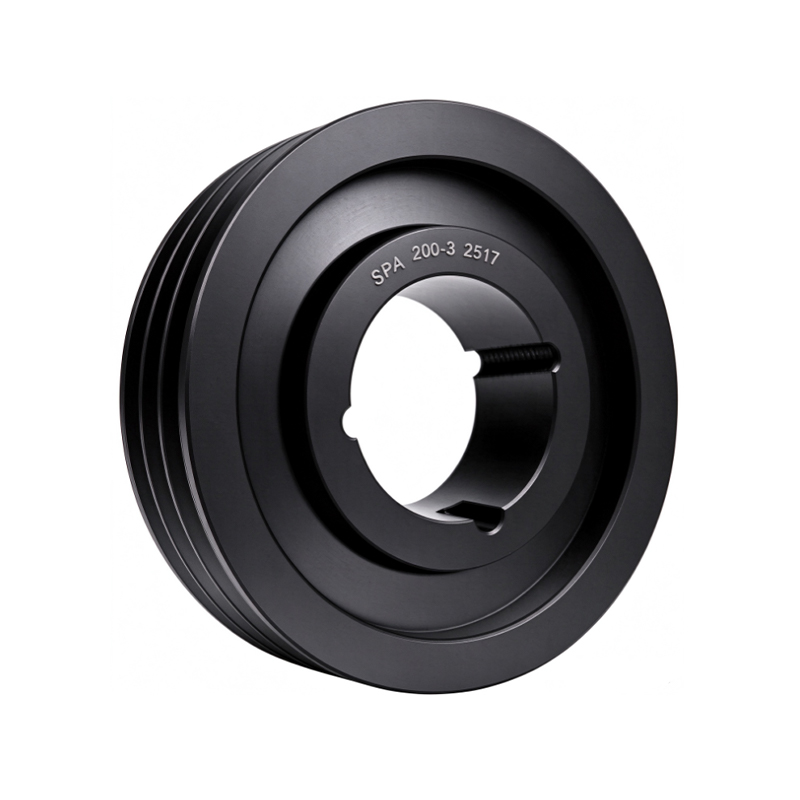 European Standard SPA200 3-Groove Taper-Bush V-Belt Pulley, for Centrifugal Water Pumps and Industrial Fans
-
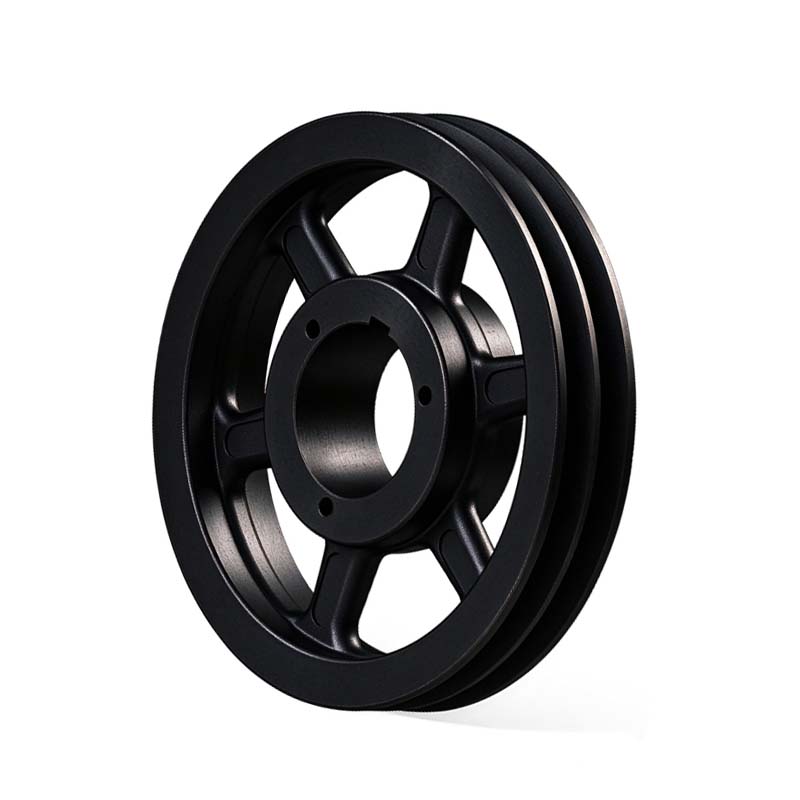 American Standard 3V 2-Groove Compact V-Belt Pulley, for Small Fans and Precision Packaging Machinery
-
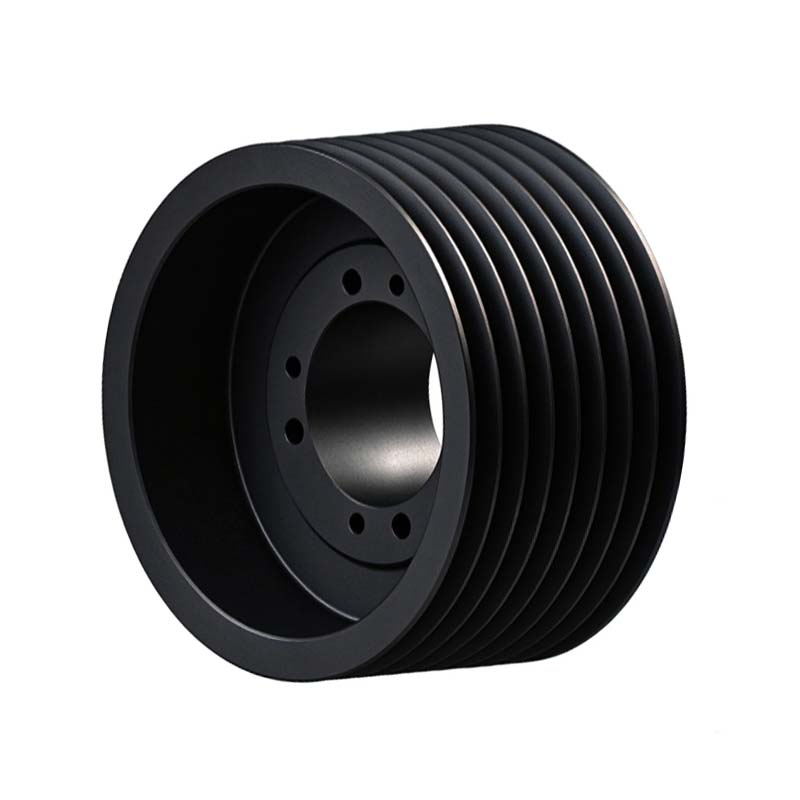 American Standard 8V 8-Groove Heavy-Duty V-Belt Pulley, for Mining Crushers and Large Cement Fan Systems
-
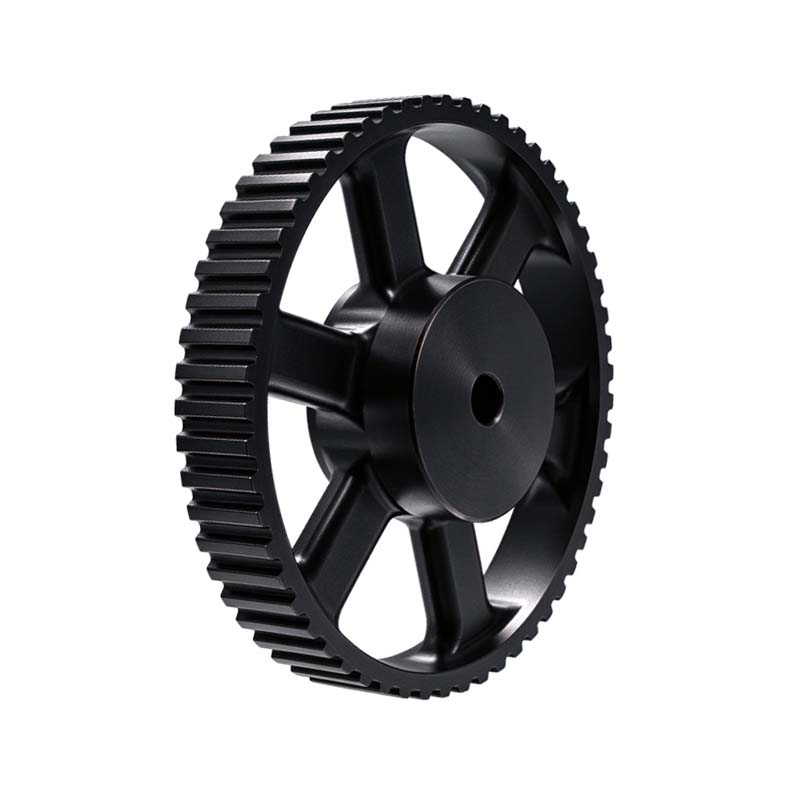 European Standard L-Type 60-Tooth TB-Bore Trapezoidal Timing Pulley, for Automated Packaging and Printing Machinery
-
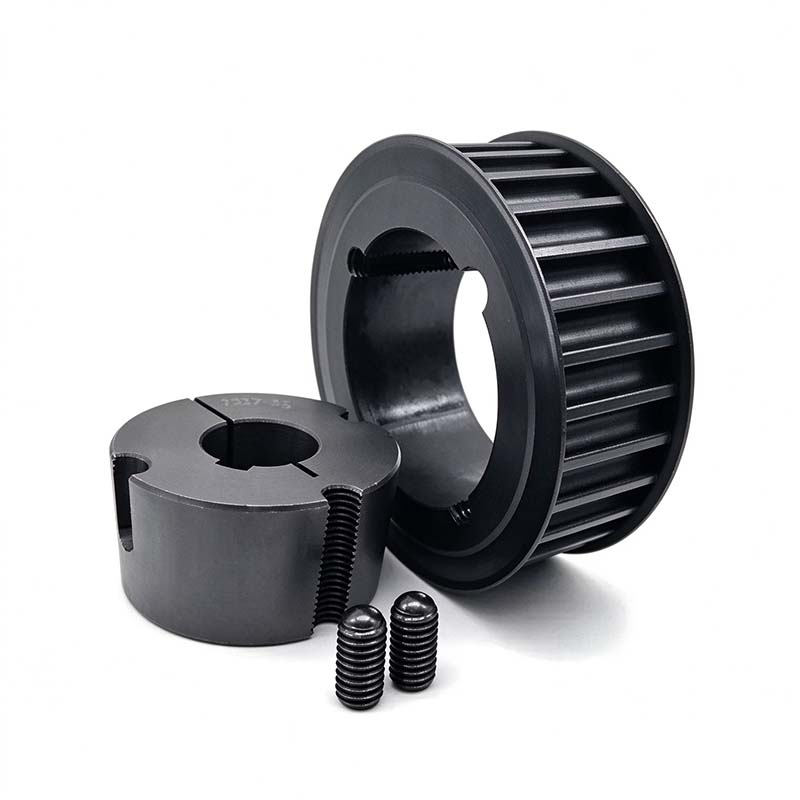 32-Tooth HTD 8M Round-Tooth Heavy-Duty Timing Pulley, for CNC Machine Tools and Heavy-Duty Automation
-
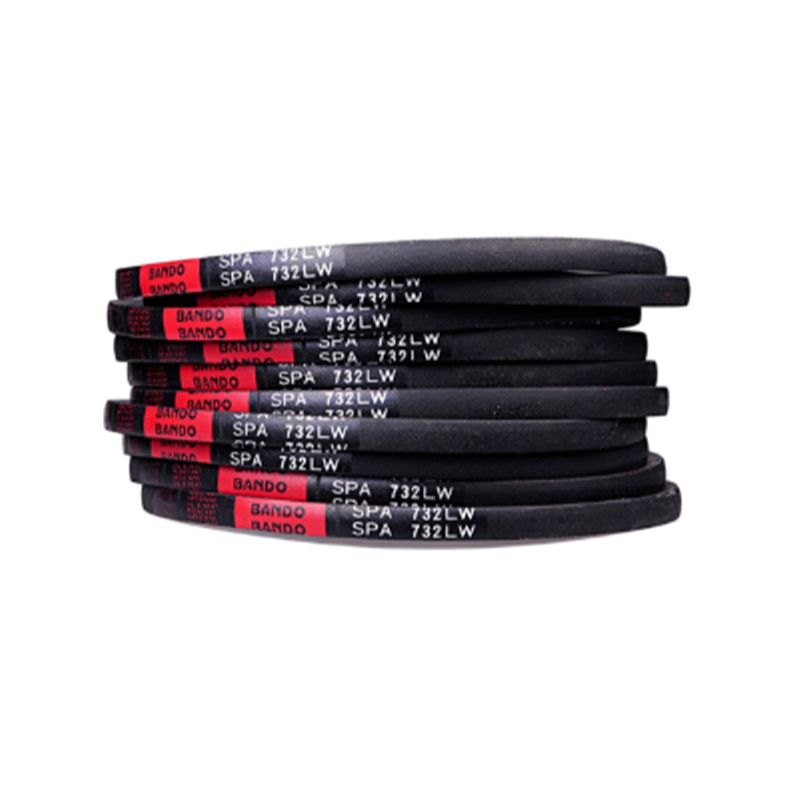 SPA-Type European Standard Narrow-Section Heavy-Duty Transmission V-Belt, for Mining Machinery and Heavy Crushing Equipment
-
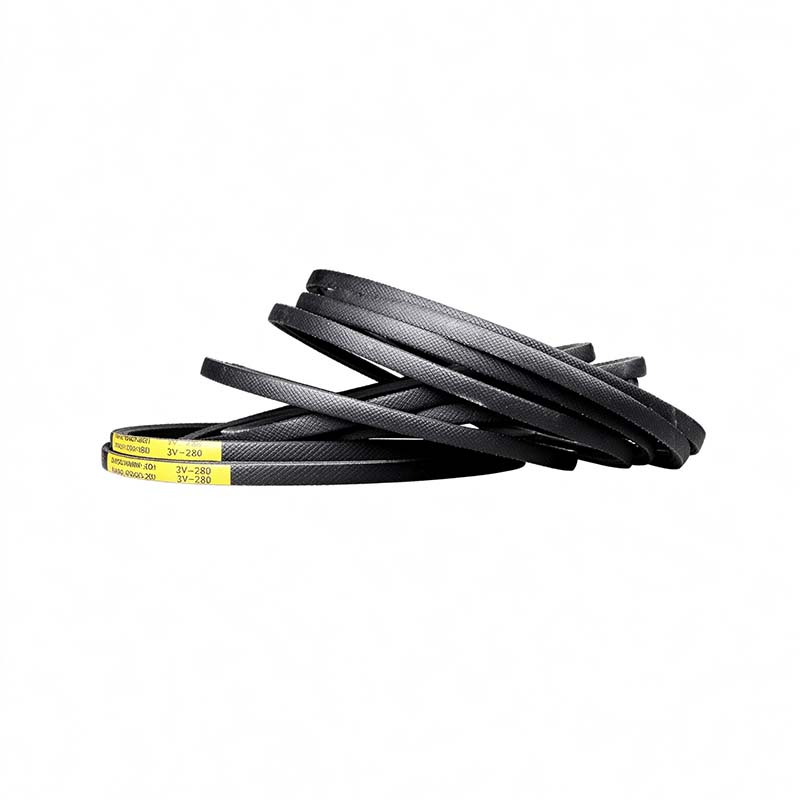 3V-Type American Standard High-Speed Precision Narrow V-Belt, for Air-Conditioning Fans and Micro Power Equipment
-
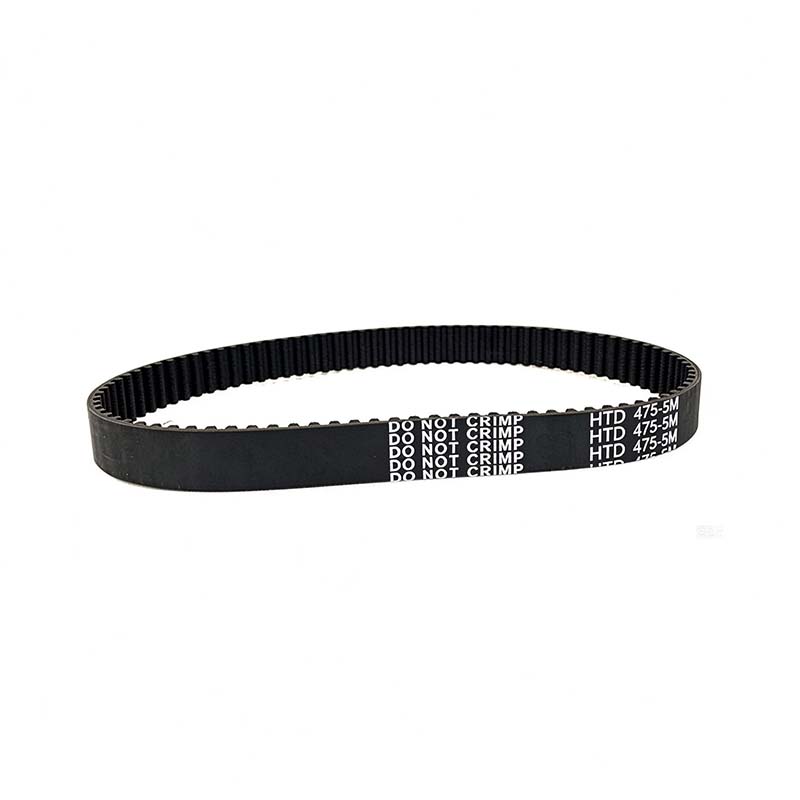 HTD475-5M Black Rubber Round-Tooth Timing Belt, for Light Industrial Machinery and Precision Packaging Lines
-
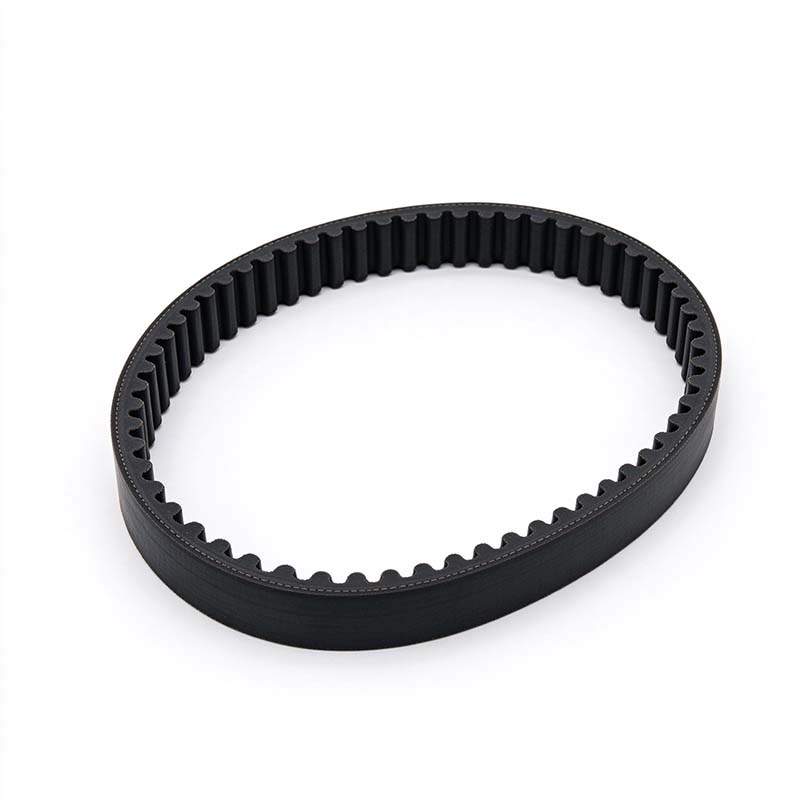 HTD 1200-8M Heavy-Duty Long-Span Round-Tooth Timing Belt, for Woodworking Machinery and Heavy-Load Logistics Lines
-
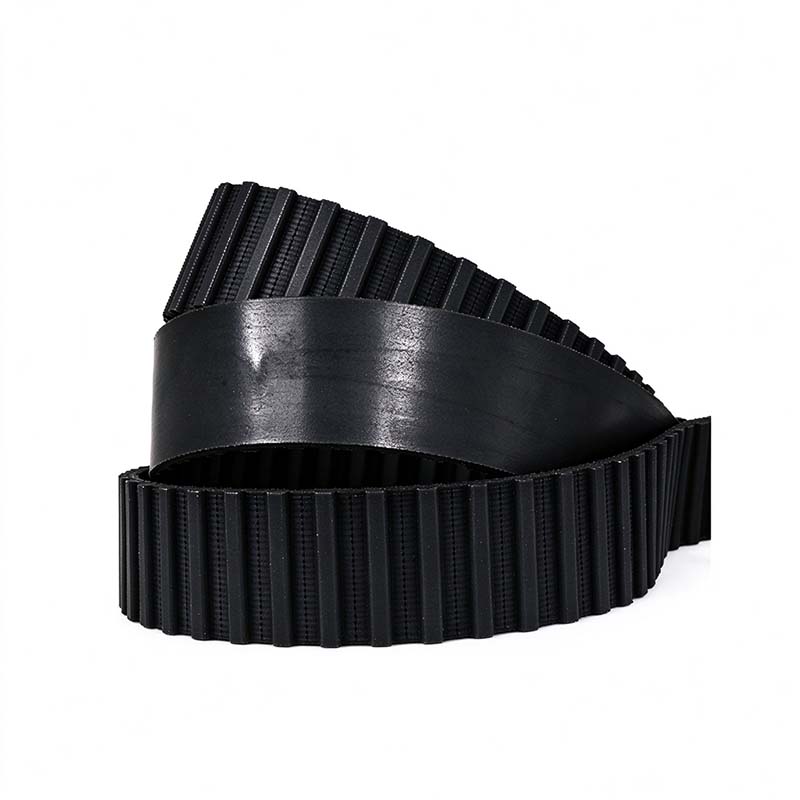 L-Type Imperial Trapezoidal-Tooth Timing Belt, for Office Automation and Light Industrial Transmission
-
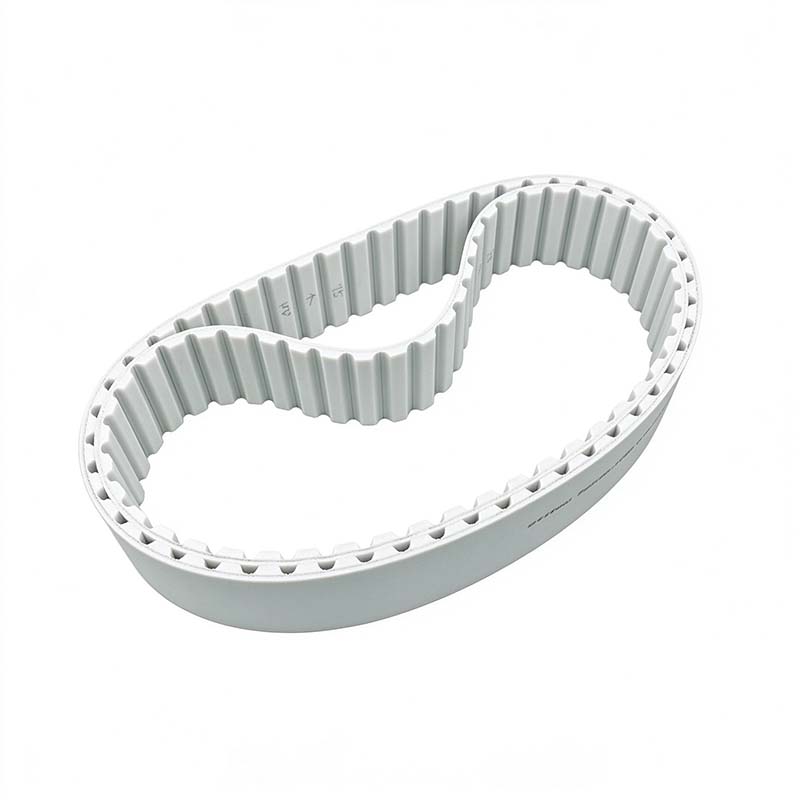 T10-1000 Polyurethane Steel-Cord Metric Toothed Belt, for CNC Machine Tools and Glass Processing Equipment
Contact Information
-

rentai@beltpulleyfactory.com
-

+86-15900742060
-

ADD
-

No. 1166, Fengpu Avenue, Fengxian District, Shanghai, China
